
| Home | Auto Learning Center | Automotive Expenses |

Automotive Expenses
The majority of automotive expenses start after the vehicle purchase. You will need a lot more money than just the car payment to own a car. When determining if you can afford a specific car, take everything into consideration: car payments, insurance, fuel expenses, annual license and registration, routine maintenance, and unexpected repairs. This section will identify and describe the most common expense areas that you will encounter while owning and operating a vehicle.

Purpose of Identifying Automotive Expenses
Before purchasing an automobile it is important to estimate all of the expenses that go along with ownership. Just because you can afford the monthly payment doesn’t mean you can afford the vehicle. Sometimes the monthly payment is only half of your total monthly expenses. When determining if you can afford a car, it is critical to look at all facets of car ownership in order to stay financially stable. Many expenses go into owning a car. The following sections will identify and describe some of the common expense areas.

Car Payments
For many car owners the monthly car payment is the majority of their automotive expense. Often people take out a three-, four-, or five-year loan to pay for their vehicle. Remember that this is a long-term commitment between you and the bank. If you lose your job or other family income sources, a monthly car payment could be detrimental to your remaining financial commitments. Your monthly payment is dependent on the amount you financed, duration of loan, and interest rate.

Insurance
Insurance premiums can be a major factor in your automotive decision. Most states require that automobiles be insured. If you have a loan on the vehicle, insurance is mandated by the bank. The bank wants to be fully compensated for the loan if the vehicle is wrecked. Auto insurance protects your vehicle against damage and theft, property damage that may incur, and personal bodily injury expenses. There are many automotive insurance coverage levels that can be purchased. The contract that you decide on is called your insurance policy. When deciding on an insurance policy, contact different insurance companies for price quotes. Insurance costs depend on your age, driving record, gender, marital status, grades, car model, where you live, and normal driving routes. For beginning drivers, auto insurance is expensive. Speeding, moving violations, and accidents can substantially increase your auto insurance premiums. Some insurance companies offer a lower premium for completion of a specific driver education course, or they give a “good student” discount to individuals that are on the A or B honor roll. Insurance premiums can usually be set up on a monthly, 3-month, 6-month, or yearly billing cycle. Automotive insurance coverage levels include: liability, collision, comprehensive, medical payment, personal injury, no-fault, uninsured, underinsured motorist, rental, towing, and total replacement insurance.


Liability Insurance
The minimum policy required by most states is liability insurance. Liability insurance covers third party bodily injury or property damage claims that you cause. For instance, if you were in an accident and it was determined to be your fault, your insurance would pay the victim’s claims (up to a certain amount). Liability insurance policies are stated in numerical terms such as 20/40/10. The first number indicates that this policy would have $20,000 bodily injury coverage per person. The second number indicates that this policy would have a limit of $40,000 bodily injury coverage per accident. The third number sets the property damage limit at $10,000. A 20/40/10 policy is commonly the minimum required by law in many states, but this amount is usually inadequate considering the cost of medical and legal issues today. For instance, if you did not have enough insurance coverage and you caused a serious accident, a person could sue you and put a lien on your assets. Many insurance companies suggest that people should have 100/300/50 coverage.

Tech Tips
Increase Your Insurance Deductible
One way to decrease your insurance premiums is to increase your deductible.


Collision and Comprehensive Insurance
In addition to liability coverage, most banks will require that you add collision and comprehensive insurance on your policy. Collision insurance covers the cost to repair your vehicle if you were at fault in an auto accident. Comprehensive insurance covers the costs to repair your vehicle for damage that might occur from things such as natural disasters, vandalism, theft, fire, or hitting an animal on the road.

Medical Payment, Personal Injury, and No-Fault Insurance
Another insurance cost that can be added to a policy is medical payment, personal injury protection, and no-fault insurance. Medical payment insurance covers you and your passengers if you were at fault in an accident. Personal injury protection covers such things as incurred lost wages if you were in an accident and could not work because of it. No-fault protection allows policyholders to submit a claim to their insurance company for reimbursement instead of waiting to see whom the insurance company tries to blame for the accident.

Uninsured and Underinsured Motorist Insurance
Another coverage that is required in many states is uninsured motorist coverage. This covers you if someone without insurance injures you or damages your car in an automobile accident. Underinsured motorist coverage will pay for damages or injuries that occur to you by someone else, if the damages exceed the other party’s policy limits.

Rental, Towing, and Total Replacement Insurance
Other features that can be added to insurance policies are rental coverage, towing, and total replacement coverage. Rental coverage will pay your car rental fees while your vehicle is being repaired. Towing coverage will pay for vehicle towing up to a certain limit, commonly $50. Total replacement coverage will pay the replacement cost of your vehicle if it is totaled (beyond fixing) instead of its depreciated value.

Tech Tips
Get Several Insurance Quotes
Do not assume that the first insurance quote is good enough. By obtaining several insurance quotes you may save hundreds of dollars per year.


Fuel Expenses
Recently, fuel costs have been rising in the United States. The average price per gallon in the U.S. in May 2001 reached over $1.70 a gallon, with many parts of the country exceeding $2.00 a gallon. During the early stages of Operation Iraqi Freedom in 2003, prices spiked once again. Still, compared to many other countries, gasoline in the United States is relatively inexpensive. People in other countries around the world often pay over $4.00 a gallon, making mass transit a more economical and practical means of transportation. Fuel economy varies depending on the vehicle you drive. Pickups and sport utility vehicles get 12-20 MPG, compact cars can get 30-40 MPG, and hybrids can get 50-70 MPG. For the most part, gas stations offer very similar fuel prices within the same area for the same grade of fuel. Gasoline prices are set by the price of crude oil, supply and demand, refinery production, octane rating, and specific regional formulation. The price per gallon includes state and federal taxes.

License and Registration
You will be required by law to license and register your vehicle. Costs vary from state to state. When buying a vehicle you also have to pay sales tax and title fees. License plate tags need to be periodically renewed.

Maintenance and Repairs
Car manufacturers are producing more reliable vehicles than ever before. However, no matter how reliable a vehicle is, maintenance is necessary. This section discusses routine maintenance and unexpected repairs.

Routine Maintenance
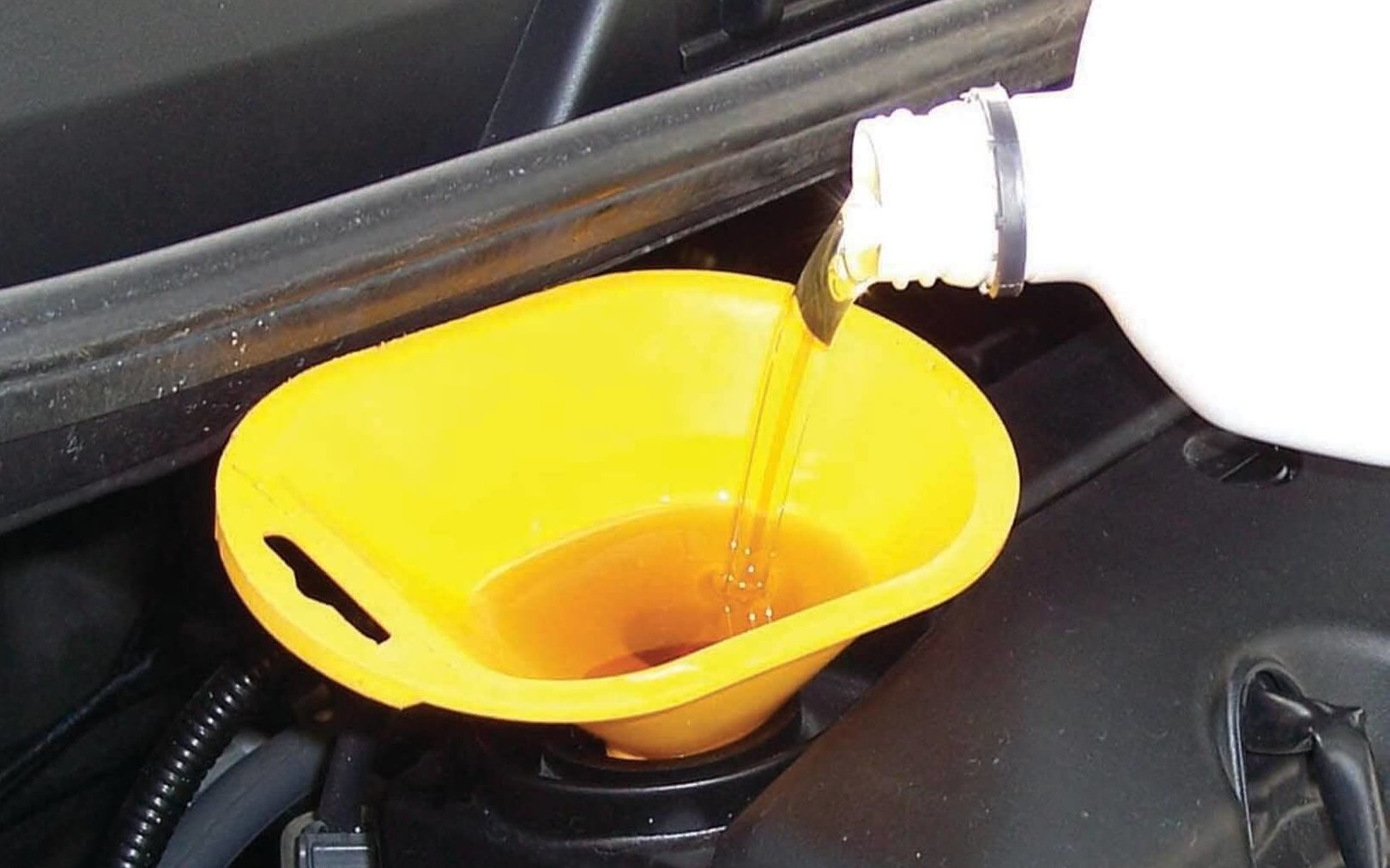
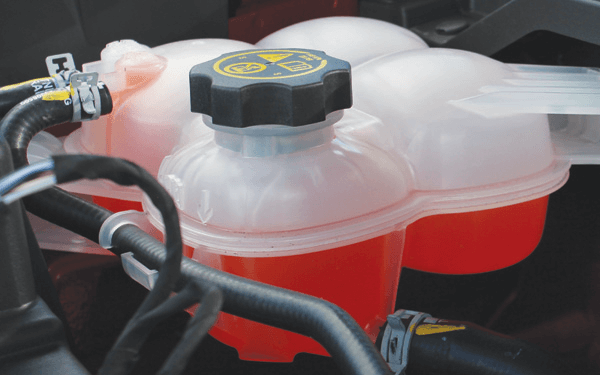
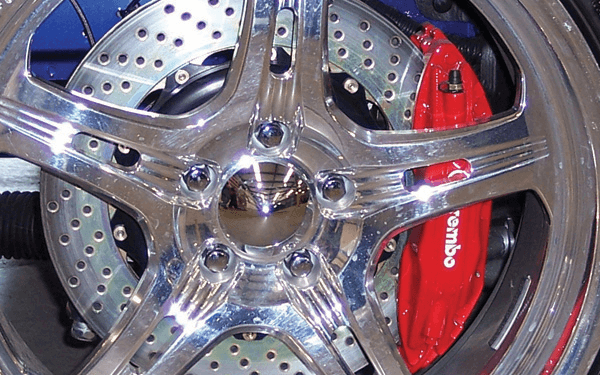
Routine maintenance expenses include oil changes, tune-ups, tire replacement, battery replacement, windshield wiper replacement, timing belt replacement, drive belt replacement, and brake service. These services vary in cost depending on the owner’s ability and vehicle. If you are able to perform many of these tasks yourself, you can save hundreds of dollars each year. Routine maintenance expenses should be included in your budget. If routine maintenance is ignored, it usually costs more money to fix as an unexpected repair and possible tow.

Unexpected Repairs
New cars commonly come with a standard 3-year/36,000 mile bumper to bumper warranty. However, some manufacturers have longer 7-year/70,000 mile or 10-year/100,000 mile warranties. After the manufacturer warranty expires, repairs will be your responsibility. Unexpected repair expenses include diagnosing engine problems, drivetrain damage (e.g., CV joints, U-joints, transmission repairs), suspension component replacement (e.g., shocks and struts), steering component replacement (e.g., tie rod ends, rack and pinion systems, power steering pumps), alternator replacement, starter replacement, water pump replacement, emergency roadside service, or the worst - internal engine repairs. If your car’s warranty has expired, it is always good to have money in reserve to take care of unexpected repairs.

Tech Tip
Do the Maintenance When Required
It is easy to ignore vehicle maintenance if there is no apparent problem. Many owners put off maintenance, resulting in their vehicle leaving them stranded. Skipping oil changes can cause costly engine damage to occur. Not replacing worn or damaged tires can lead to a safety hazard for everyone on the roadway.


Summary
Automobiles are expensive to own. The financial obligations to own and operate a vehicle range from monthly car payments to insurance premiums to unexpected repairs. Knowing your budget and planning for routine maintenance and unexpected automotive expenses will prepare you for the financial responsibility of vehicle ownership.

Top of Page