

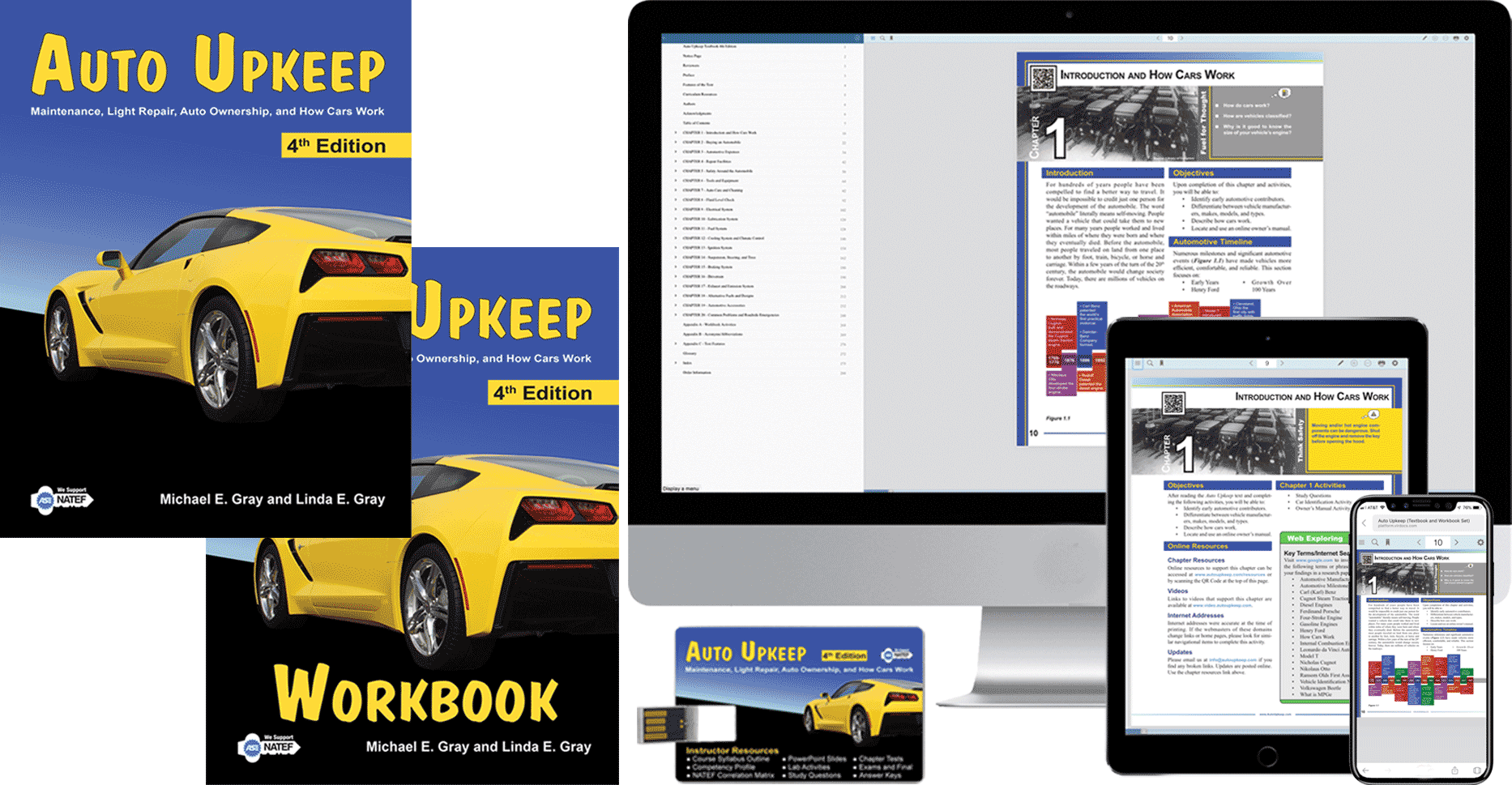
• 288 FULL COLOR Pages
• 20 Easy-to-Read Chapters
• Over 700 Illustrations
• Hardcover and Paperback
• 176 FULL COLOR Pages
• 40 Hands-on and Internet-based Activities
• Over 250 Illustrations
• Course Syllabus Outline
• ASE Ed (NATEF) & TEKS Correlations
• PowerPoints Presentations
• Lab Activities
• Study Questions
• Chapter Tests (LMS Compatible)
• Exams/Final (LMS Compatible)
• Answer Keys
• Access on Any Device with Internet
• Rent or Buy
• Highlight and Take Notes Digitally
• Enhanced Navigation
• Keyword Search
• Create Flashcards and Study Guides
• Collaborate with Peers

• Access on Any Device with Internet
• All 21 Courses
• All 41 Activities
• Graded Tests
• Interactive Lessons
• Gamified Design
• Connected Community
• Collaborate in Groups




Auto Upkeep has been adopted by over 500 automotive programs. Universities, colleges, technical schools, and high schools choose Auto Upkeep for Introduction to Automotive classes. Learn More
The Auto Upkeep Homeschool Curriculum Kit was designed so YOU can teach your teens about basic car care, maintenance, repair, auto ownership, and how cars work. Individual kits and co-op packages are available. Learn More
Do you want to learn how cars work? Auto Upkeep will help you become confident in accomplishing simple, but important, preventative measures on your vehicle – all while saving money. Learn More
Auto Upkeep is a perfect fit to teach in combination with driver’s education classes. As students learn the skills of safe driving, it is also important for teens to understand how to choose a quality repair facility, buy a car, handle roadside emergencies, and how a car works. Learn More
Adult and continuing education programs can benefit by offering “Car Care” classes. The most expensive item people will have after a home is an automobile. Learning the basics helps drivers become confident automobile owners. Learn More
Are you looking for a hands-on, engaging curriculum for teens? The Auto Upkeep Curriculum works well in afterschool programs providing teens with opportunities to learn about basic car care, maintenance, repair, and ownership. Our curriculum has all the resources needed to help students become responsible auto owners. And get this…it is FUN and PRACTICAL! Learn More
Have you considered running a Car Care Clinic, Know Your Car event, or Automotive Basics class? An educated automotive consumer is a win-win for the driver and the auto shop. Learn More
Auto Upkeep is a fun way for groups to discover how to choose a quality repair facility, buy a car, handle roadside emergencies, diagnose common problems, and communicate effectively with technicians – all while saving money. Learn More

Hi! We are Mike and Linda Gray, the authors of Auto Upkeep. We believe there is a better way for drivers to connect with their automobiles, a safer, less expensive way in which drivers can prepare for and avoid the unexpected. We are extremely passionate about helping others, and our mission is to provide the tools for drivers to achieve self-reliance and confidence. Automobiles are integral to our way of life, yet often one of the least understood technologies, Mike and I see that as an opportunity to share what we have learned.
We have dedicated the last 19 years to helping drivers and are eager to continue simplifying automobile ownership for every driver with our Auto Upkeep curriculum and resources. Discover more about us.
Check out the FAQs.
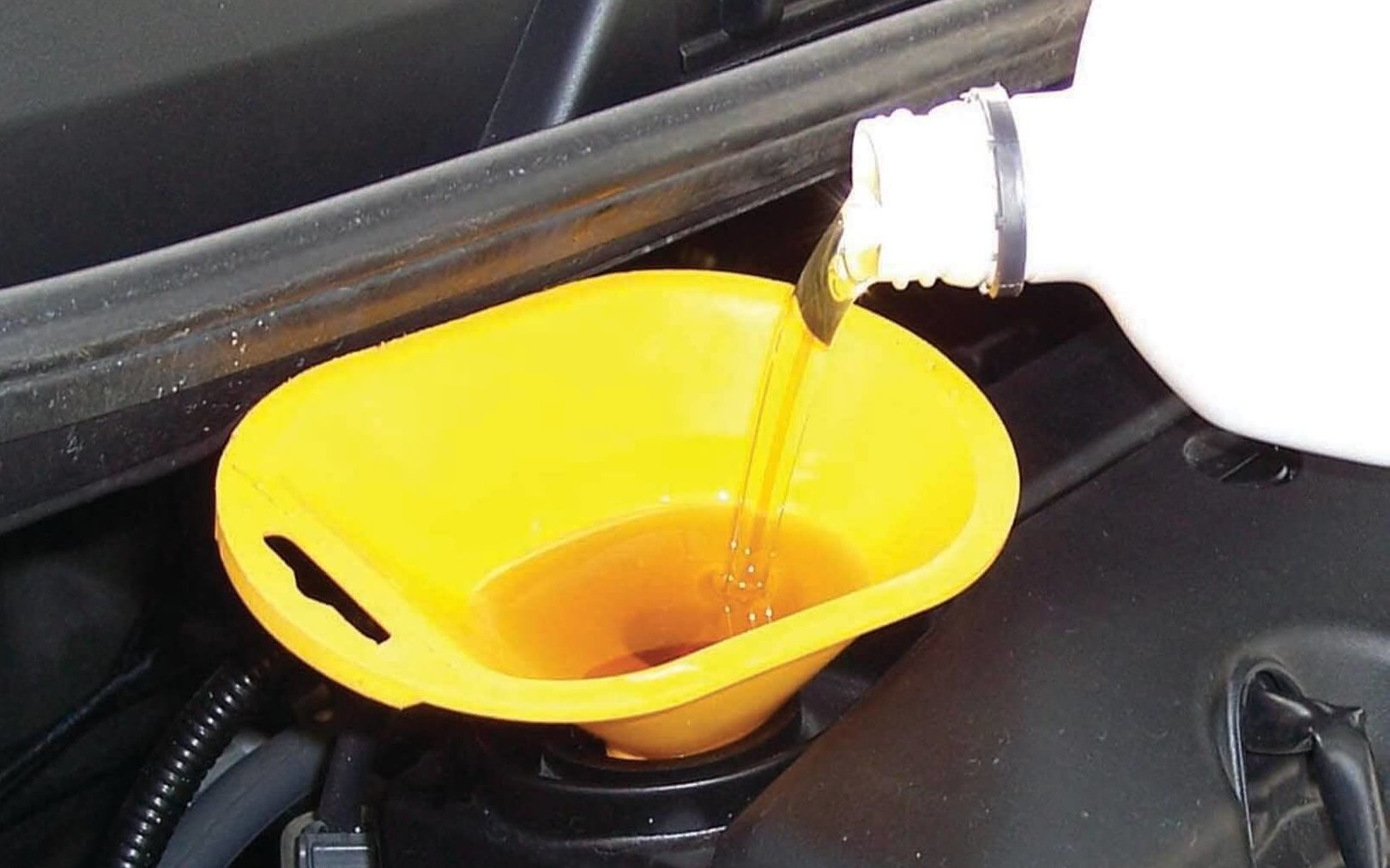
Learn about checking and changing engine oil in Chapter 10.
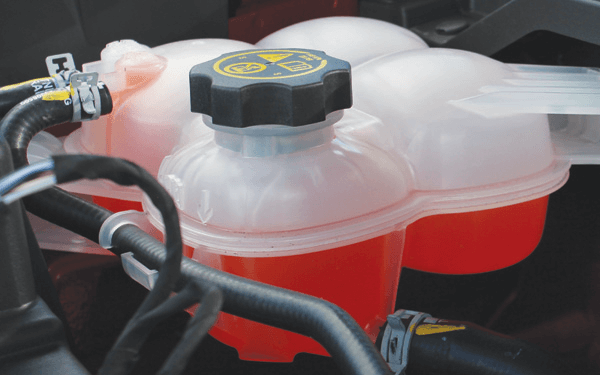
Learn about engine coolant and the cooling system in Chapter 12.
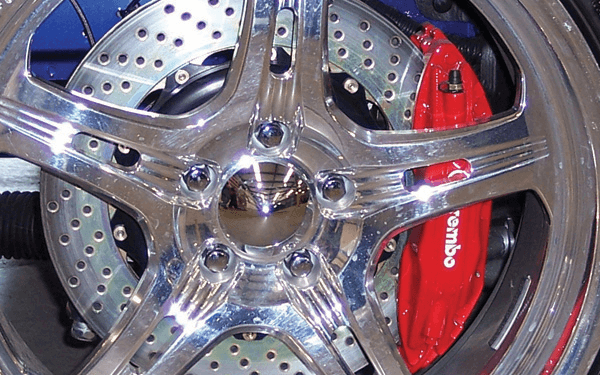
Learn about brake pads and the braking system in Chapter 15.

Rolling Hills Publishing, LLC
300 Eagle Flight
Ozark, MO 65721
Ph: 800-918-7323
Fax: 888-329-2747
info@rollinghillspublishing.com